
How Mobile Technology Is Shaping Everyday Comfort in Active Lifestyles

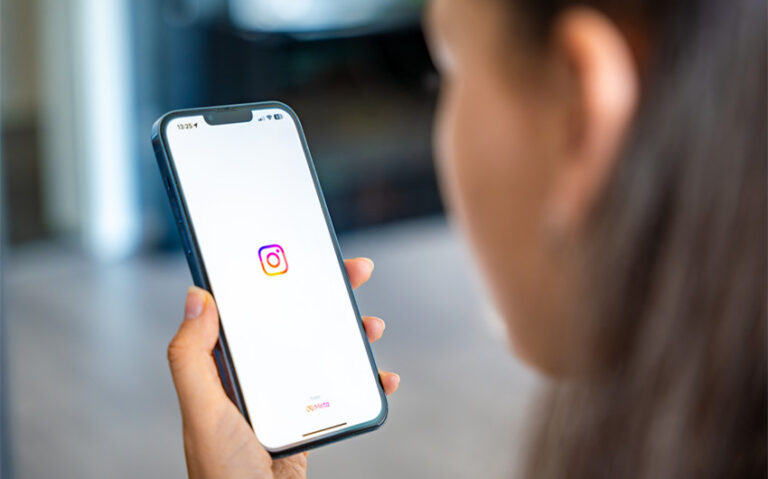
Mobile technology has quietly transformed how people experience movement, comfort, and daily performance. What was once guided by habit or guesswork is now increasingly shaped by real-time information and accessible insights. For individuals with active lifestyles, this shift is not about becoming more dependent on technology, but about making routines more responsive and easier to maintain.
Instead of committing to rigid structures, people are adjusting their habits dynamically based on feedback and experience. This has created a new standard where comfort is no longer incidental, it is something that can be monitored, refined, and improved. As a result, everyday routines are becoming more efficient, more adaptable, and better aligned with long-term consistency.
Real-Time Feedback Is Changing How People Understand Movement
One of the most significant changes mobile technology has introduced is the ability to observe movement as it happens. Instead of relying on delayed outcomes, such as fatigue or discomfort at the end of the day, individuals can now respond immediately to how their bodies are functioning. This includes tracking steps, monitoring posture, and identifying patterns that would otherwise go unnoticed. Over time, this level of awareness changes how people approach activity, shifting the focus from output alone to how movement actually feels and performs in real conditions.
This constant feedback loop allows for smaller, more frequent adjustments. Instead of making major corrections after problems arise, individuals refine their habits gradually throughout the day. This leads to a more stable and sustainable routine, where movement is continuously optimized rather than periodically corrected. The result is not only improved performance but also a reduction in strain and inconsistency, both of which are common barriers to maintaining an active lifestyle.
Comfort Is Becoming a Measurable Part of Performance
Comfort used to be treated as something subjective, either something tolerated or ignored, but mobile technology has changed that perspective by making it easier to connect physical sensations with performance outcomes. When individuals can track how different conditions affect their activity levels, comfort becomes something that can be evaluated and improved rather than endured. Small issues such as pressure points, poor fit, or inefficient movement patterns are no longer dismissed; they are recognized as factors that influence endurance and consistency.
This shift is influencing how people make everyday decisions. Instead of waiting for discomfort to become a problem, individuals are proactively adjusting their routines to prevent it. This includes paying closer attention to clothing, footwear, and other elements that support daily movement. Some individuals explore resources like best womens walking socks not simply as a product choice, but as part of a broader effort to reduce friction in their routine. Over time, this level of attention transforms comfort into a controllable variable rather than an afterthought.
Smarter Decision-Making Is Replacing Trial and Error
Access to information has fundamentally changed how people approach daily habits. Instead of relying on repeated trial and error, individuals can now make more informed decisions from the start. Mobile technology provides immediate access to reviews, comparisons, and practical guidance, allowing people to evaluate options before integrating them into their routines. This reduces the likelihood of wasted effort and helps establish more stable habits more quickly.
This shift also changes how people respond to setbacks. When something does not work, it is easier to identify why and adjust accordingly, rather than abandoning the routine altogether. Over time, this creates a more adaptive approach to daily habits, where improvements are continuous rather than reactive. The result is a system that evolves naturally, guided by both information and experience.
Nutrition Habits Are Becoming Easier to Integrate
Nutrition has traditionally been one of the more complex aspects of maintaining an active lifestyle, often requiring planning, preparation, and constant adjustment. Mobile access to information is helping simplify this by making it easier to explore options that fit naturally into existing routines. Instead of following rigid structures, individuals are adopting habits that can be repeated without significant effort.
This includes experimenting with alternatives that are easier to incorporate into daily life. For example, some individuals look into resources like what does ryze coffee taste like when considering how functional beverages might fit into their routine. The goal is not to overhaul nutrition entirely, but to make incremental adjustments that can be sustained over time. This approach reduces pressure and supports consistency, which is ultimately more important than complexity.
Recovery Is Becoming an Integrated Part of Daily Performance
Recovery is no longer treated as something separate from activity; it is now recognized as an essential component of overall performance. Mobile tools that track sleep, activity levels, and physical strain are helping individuals understand how recovery influences their daily routines. Instead of pushing through fatigue or relying on general advice, people can make decisions based on their own patterns and needs.
This integration allows for a more balanced approach to activity. By recognizing when to rest and when to continue, individuals can avoid the cycle of overexertion and inconsistency. Over time, this leads to a more sustainable routine where performance is maintained without unnecessary strain. Recovery, in this context, becomes a proactive habit rather than a reactive measure.
Consistency Is Becoming the Primary Measure of Progress
Perhaps the most important shift is the growing recognition that consistency matters more than intensity. While high-effort activities still have value, they are no longer seen as the foundation of progress. Instead, steady, repeatable habits are taking priority, supported by tools that encourage daily engagement.
Research from the World Health Organization emphasizes that regular physical activity is essential for long-term health. Mobile technology reinforces this by helping individuals maintain consistent patterns rather than focusing on occasional peaks of effort. By reducing barriers and simplifying routines, these tools make it easier to stay active over time. The result is a more practical approach to fitness, one that supports everyday life rather than competing with it.