
A Beginner’s Guide to Maintaining the Longevity of Heavy-Duty Leather Equipment

Sturdy leather gear is far from being an aesthetic accessory. When it’s being pulled, winding itself around a limb, or strapped firmly in place with tension holding everything in position, the strength of the leather’s grain is under serious strain. Unmaintained leather’s breaking point can arrive suddenly and without warning, it just gives in, often when it’s being put under the most pressure.
That’s the starting point for this entire guide. Looking after your gear is non-negotiable part of engaging in BDSM and kink, whether you’re new to the scene or have been involved for decades. The leather, rubber, metal, rope, or any other materials your gear is made from are natural, porous, and will degrade or become unsafe if you don’t maintain them properly.
Understanding What You’re Working With
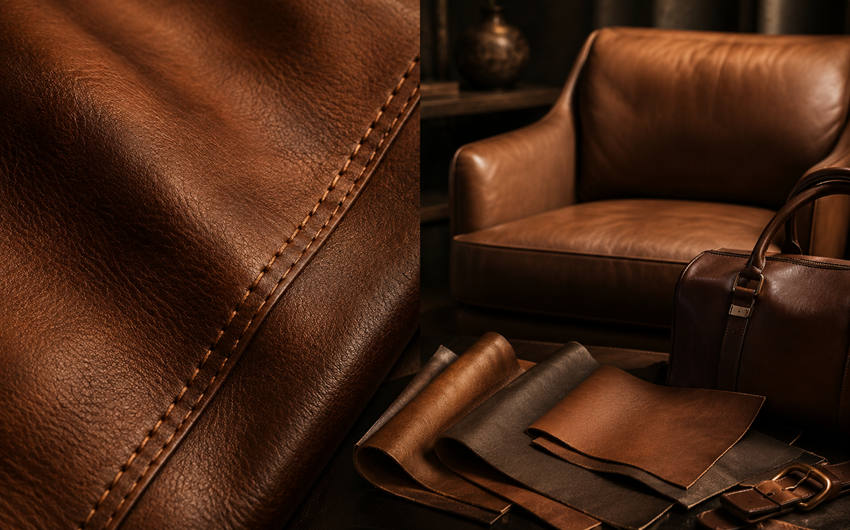
Most high-tension, heavy-duty gear found in dungeon space, and some of what we craft ourselves, is made of full-grain leather. It’s the densest, least porous cut of hide. Since the fiber structure is largely intact and there’s little room between the fibers for more water, a little goes a long way. This gives it the most tensile strength, its resistance to snapping under load.
Full-grain leather is prized for its durability and, because of its thickness, it releases less surface moisture and protects the deeper layer beneath from drying exposure. That’s why most really fantastic belts from the ’80s are still 90% as good looking as they were a generation ago. It’s why the leather whip hung in my grandfather’s barn for fifty years and will still be snapping decades after I’m gone.
It’s also the slowest to reabsorb conditioners because that tear and abrasion resistance means it’s harder to break the surface tension of that fine interlocking fiber. For anyone looking at material grades and what they mean for high-tension use, LeatherSkins.com covers the practical differences between leather types used for bondage and fetish equipment.
The Clean, Condition, Protect Cycle
There are three things you need for heavy-duty leather: cleaning, conditioning, and protection. Do it in the right order and you’re three times ahead; try to skip stages and you start compounding problems.
First comes cleaning. Saddle soap is great for getting out body oils and accumulated surface gunk, but a little goes a long way. Over applied or used too frequently, and you’re actually pulling out more of the natural oils that you’re replacing with conditioning. Simply apply to a damp cloth, use small circular motions to work in a lather, and then wipe away residue with another clean damp cloth. Finish by drying with a fresh cloth and leave it to dry completely before the next step.
Most people underapply conditioner. Thicker leather needs more conditioner and more time for the oils to soak in. Look for conditioners with humectants, these are compounds that draw in water inside the fibers of the leather rather than just coating them on the surface. Neatsfoot oil is a time-tested standby for very stiff, dry leather. If the leather is verging on hard, and even beginning to crack microscopically at certain points, it’s lost too much moisture and oils. Slather with neatsfoot oil, rest, then come back and do it again in 48 hours.
Finally, “protection” is a light wax or a leather conditioning balm that you apply only after the conditioner has disappeared into the leather. This locks the conditioner in and sets up a light waterproofing against the elements.
Hardware Matters Too
It’s easy to overlook buckles, D-rings, and other metal parts, because, well, they’re metal. But if you care for them properly, they’ll look great for a very long time. Clean every buckle, ring, and snap with a clean, dry cloth after every session to remove sweat and dirt that could lead to corrosion. Use a can of compressed air (held upright, with a nozzle attachment) to blast away debris that a rag can’t reach. Inspect all hardware.
If there’s oxidation, corrosion, or if a moving part sticks, turn to Iso-Propyl Alcohol (commonly known as rubbing alcohol). Dampen a clean cloth with alcohol and rub the affected area. The alcohol will strip away any old dirt and any oil or grease you may have used. Wipe dry and let air out before trying the buckle, swivel or whatever.
Hygiene Protocols For Porous Materials
Leather can be a tricky one to keep clean as it’s a porous substance. Unlike cleaning a glass or metal surface, you can’t just grab any old anti-bac wipe from under the sink and scrub away.
Here, anti-microbial wipes designed specifically for leather will do the trick (are you noticing a pattern yet?) They’re built to neutralize the bacteria from skin contact without removing those all-important oils that keep your cow warm and supple. Most generic anti-bac wipes contain such a high concentration of alcohol that they can dry out the surface if used too frequently. Better safe than sorry.
As with any of the above methods, though, the rule is always clean first, then recondition lightly. So, get in to the habit of a quick wipe down after you’ve used the gear each time, especially after it’s been in direct skin contact. Don’t let body oils or sweat sit in the leather between uses. This is less about aesthetics and more about preventing the kind of surface breakdown that compromises structural integrity over time.
Storage That Preserves Shape and Structure
The way in which you store your gear is just as important as how you clean it.
Heavy items, collars, harnesses, restraints, should be hung where possible. Leather folded under its own weight will develop permanent creases and, eventually, cracks along those creases. Padded hangers should be used for anything with significant mass.
For items stored flat or in bags, acid-free tissue paper placed between items will prevent color migration which is when dye transfers from one piece of leather to another over time.
Temperature and humidity are the two variables most people simply don’t think about. Leather stored in an environment below 40% relative humidity will start to lose its internal moisture and become increasingly brittle; above 60% and mold becomes a real risk. A simple humidity monitor in your storage area isn’t overcautious; it’s the kind of basic step that makes your expensive gear last a decade rather than two years.
Gear that is consistently maintained doesn’t just last longer. It performs reliably, and that is exactly what you need it to do.