8 Delicious Types of Fried Eggs and How to Cook Each Perfectly

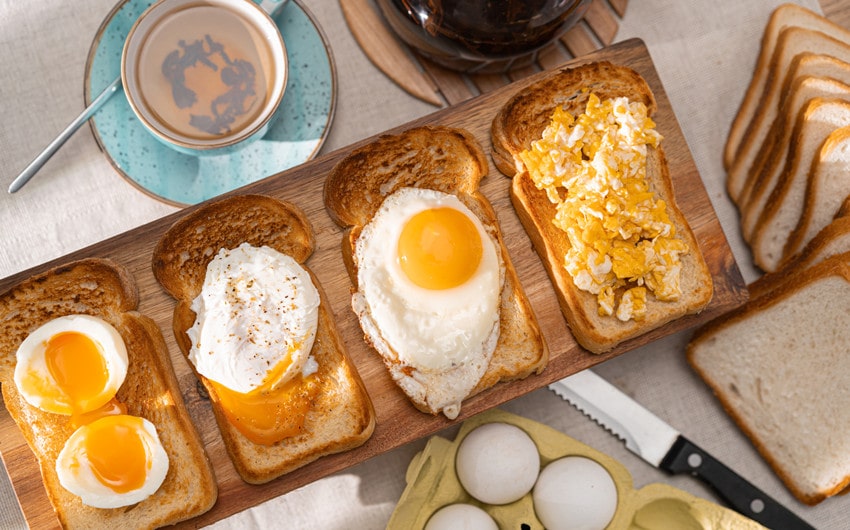
If you love breakfast, you probably already know there’s more than one way to fry an egg. From crispy edges to soft, jammy yolks, each method gives a totally different flavor and texture. Learning the types of fried eggs helps you master your morning plate—whether you’re cooking for yourself or impressing someone with a perfectly cooked sunny-side-up masterpiece.
Why Fried Eggs Are So Popular
Fried eggs are simple, quick, and endlessly versatile. You can eat them on toast, over rice, with bacon, in burgers, or as a topping for noodles. They work for breakfast, lunch, or dinner. But the magic lies in how you cook them. Small changes in heat, oil, and flipping time can turn a fried egg from soft and delicate to crisp and bold.
The Main Types of Fried Eggs
Let’s break down the most common types of fried eggs—each with its own texture, look, and ideal use.
1. Sunny-Side Up
This is the most recognizable style of fried egg—the one you see in photos with a bright yellow yolk sitting perfectly on top.
How it’s cooked:
You crack the egg gently into a warm pan (usually on low to medium heat) and let it cook until the whites are completely set but the yolk remains runny and glossy. The key is to never flip it.
Tips for success:
- Use a lid to trap steam so the top of the whites cook without flipping.
- Don’t rush it—low heat keeps the bottom from getting too crispy.
- Sprinkle a pinch of salt right before serving.
Best for: Breakfast toast, rice bowls, avocado toast, and classic diner plates.
2. Over Easy
An “over easy” egg starts like sunny-side up but gets flipped gently to briefly cook the top. The result? A runny yolk with slightly firmer whites.
How it’s cooked:
Once the whites are mostly set, carefully flip the egg using a thin spatula and cook for about 10–15 seconds more.
Tips for success:
- Use a nonstick pan and plenty of butter or oil to prevent breaking the yolk.
- Flip gently from the edge of the pan.
- Don’t overcook—it’s easy to lose that soft center if you leave it too long.
Best for: Breakfast sandwiches, burgers, or anyone who loves dipping toast into a warm, runny yolk.
3. Over Medium
This style sits right between over easy and over hard. It’s perfect for people who like their yolks slightly jammy but not too runny.
How it’s cooked:
Start as you would with an over easy egg. After flipping, cook the egg for about 30–45 seconds longer until the yolk begins to firm up but still has a creamy center.
Tips for success:
- Watch the yolk color—it should darken slightly as it thickens.
- Use medium heat for even cooking.
- Test for doneness by pressing gently with your spatula; it should give slightly but not feel liquid.
Best for: Sandwiches, grain bowls, and dishes where you want a yolk that’s easy to cut but not messy.
4. Over Hard
If you prefer a fully cooked yolk with no runniness, “over hard” is your match. It’s the most well-done version of a fried egg.
How it’s cooked:
Cook the egg as usual, then flip it and let it cook another minute or two until both the yolk and whites are firm.
Tips for success:
- Pierce the yolk before flipping if you want it to cook through evenly.
- Add a little extra oil to prevent dryness.
- Consider seasoning with salt and pepper to boost flavor since it won’t have the richness of a runny yolk.
Best for: Breakfast wraps, sandwiches, or anyone who prefers fully cooked eggs.
5. Basted Eggs
Basted eggs are like a softer, creamier version of sunny-side up. Instead of flipping, you spoon hot butter or oil over the egg to gently cook the top and edges.
How it’s cooked:
After cracking the egg into the pan, tilt the skillet and use a spoon to scoop up the melted butter or oil. Drizzle it over the egg repeatedly until the whites are fully set but the yolk stays bright and runny.
Tips for success:
- Butter gives the best flavor, but oil works for crispier edges.
- Add a few drops of water and cover the pan for a “steam-basted” version.
- For a richer taste, try basting with browned butter or olive oil.
Best for: Toast, breakfast plates, or fancy brunches where presentation matters.
6. Steam-Fried Eggs
This method creates a soft, custardy texture similar to poached eggs—without boiling water.
How it’s cooked:
Crack the egg into a greased pan over medium heat, then add a tablespoon of water and immediately cover with a lid. The trapped steam gently cooks the top of the egg.
Tips for success:
- Don’t lift the lid too soon or the top may stay undercooked.
- Works great for runny yolks without any flipping.
- Use a nonstick pan to keep the delicate whites intact.
Best for: Asian-inspired dishes, rice bowls, or a healthy low-oil breakfast.
7. Crispy Fried Eggs (Thai Style)
If you love texture, this one’s for you. Crispy fried eggs—often called “kai dao” in Thai cuisine—are fried in very hot oil until the edges bubble and turn golden brown while the yolk stays soft.
How it’s cooked:
Heat a generous amount of oil in a wok or pan. Once hot, crack the egg directly into the oil. The edges will puff and crisp instantly. Cook until the whites are browned and crispy, but the yolk remains slightly runny.
Tips for success:
- Use high heat and enough oil to submerge the egg partially.
- Remove it quickly once edges are golden.
- Drain on a paper towel to remove excess oil.
Best for: Serving over rice with chili sauce or as a flavorful topping for noodle dishes.
8. Spanish Fried Eggs (Huevos Fritos)
Spanish-style fried eggs are bold, flavorful, and dramatic. They’re fried in olive oil at high heat so the edges blister beautifully.
How it’s cooked:
Pour a generous amount of olive oil into a pan and heat until shimmering. Crack in the egg and tilt the pan to spoon the hot oil over the whites. The yolk stays runny while the whites develop crispy edges.
Tips for success:
- Use good-quality olive oil for authentic flavor.
- Don’t over-baste—the yolk should stay bright and soft.
- Sprinkle with salt or smoked paprika for a true Spanish touch.
Best for: Pairing with crispy potatoes (patatas fritas) or dipping bread into that golden oil.
How to Get the Perfect Fried Egg Every Time
Now that you know the main types, here are some extra tips for mastering them:
- Start with fresh eggs. Fresher eggs hold their shape better and cook more evenly.
- Use the right pan. A nonstick skillet or well-seasoned cast iron pan gives the best results.
- Mind your heat. Low heat for gentle cooking, high heat for crispy edges.
- Don’t overcrowd. Give each egg space so it cooks evenly.
- Add flavor. A sprinkle of salt, pepper, or even chili flakes elevates any fried egg.
Fun Ways to Eat Fried Eggs
You can do so much more with fried eggs than just serve them plain. Try these creative pairings:
- On top of avocado toast with chili oil.
- Over ramen or fried rice.
- With roasted vegetables for a quick lunch.
- As a burger topping.
- On pizza for a brunch twist.
A simple egg can turn any meal into something deliciously satisfying.