
Common Causes Behind Frequent Sewer Line Issues

A sewer line rarely fails without warning, yet many homeowners miss the early clues. Slow drains, strange smells, and soggy patches in the yard usually point to deeper trouble below the surface. These problems do not appear overnight. They build quietly, and when ignored, they turn into costly repairs that disrupt daily life.
Frequent sewer issues usually have clear underlying causes, even if they stay hidden at first. Small problems tend to build quietly, which is why regular care and timely help from a sewer line cleaning service can make a real difference. Recognizing what causes these disruptions allows you to act sooner, reduce damage, and keep your plumbing system working as it should.
Tree Roots Invading Underground Pipes
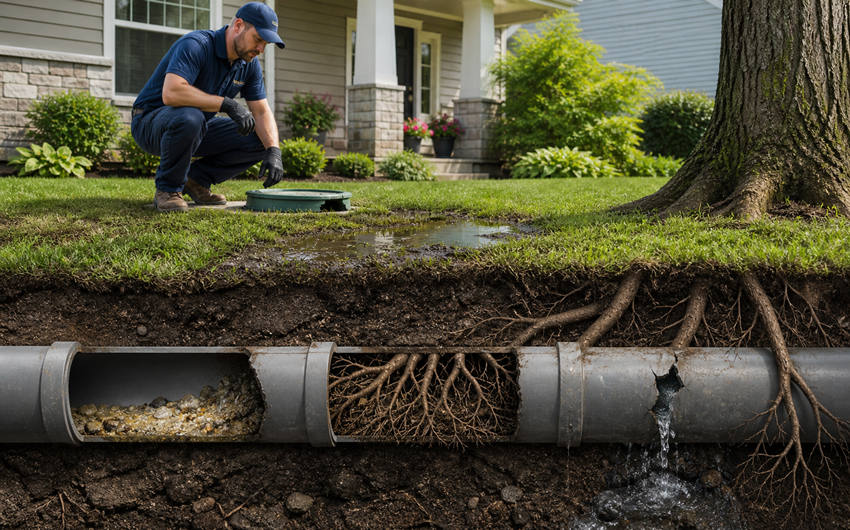
Tree roots search for moisture, and sewer lines provide a steady source. Small cracks in pipes release vapor that attracts roots, which then grow into the openings. Over time, these roots expand and block water flow. The pressure can even break the pipe completely.
Signs to watch
• Gurgling sounds from drains during use
• Water backing up in toilets or sinks
• Patches of greener grass near the line
These signs suggest root intrusion that requires prompt attention before the blockage worsens.
Aging Pipes That Lose Strength
Older sewer systems face wear due to years of constant use. Materials such as clay or cast iron weaken and develop cracks. These cracks allow debris and soil to enter, slowing water flow and leading to blockages.
Pipes that have reached the end of their lifespan may collapse under pressure. This issue does not fix itself and usually requires repair or replacement. Regular inspections help identify early damage before it spreads. Ignoring aging pipes increases the chance of repeated problems that disrupt your routine.
Grease and Waste Build Up Over Time
Kitchen waste plays a major role in sewer issues. Grease, oil, and food particles stick to pipe walls and create thick layers. These layers trap other debris and slowly restrict flow.
Common buildup sources
1. Cooking oils poured down the sinks
2. Food scraps that slip past strainers
3. Soap residue that hardens inside pipes
This combination forms stubborn clogs that regular flushing cannot remove. Routine cleaning helps prevent this buildup from reaching a critical point.
Ground Shifts and Improper Disposal That Damage Pipes
Soil movement affects underground pipes more than people expect. Heavy rain, drought, or nearby construction can shift the ground, causing pipes to bend, crack, or separate at joints. These gaps allow waste to collect, which slows drainage and raises pressure inside the system.
Simple habits inside the home can make things worse. Flushing items that do not break down, such as wet wipes, sanitary products, or thick paper, leads to stubborn blockages. These materials form solid barriers that water cannot push through. Paying attention to both ground changes and daily disposal habits helps prevent repeated sewer issues.
How Professionals Help Maintain Sewer Health
Professional expertise brings clarity when sewer issues become hard to diagnose. Experts use specialized tools to inspect pipes and locate hidden problems. They can remove deep blockages and repair damaged sections without unnecessary digging.
A sewer line cleaning service uses advanced methods to clear buildup and restore proper flow. Their experience allows them to spot early warning signs that homeowners might miss. Regular professional care adds an extra layer of protection and keeps your system functioning efficiently.
Sewer line problems rarely come from a single cause. Tree roots, aging pipes, waste buildup, and ground movement all play a part in creating blockages. When issues start to repeat, a sewer line cleaning service can help restore proper flow and prevent further strain on the system. Small habits at home also influence how well your plumbing performs. Paying attention to early signs makes a big difference in avoiding major repairs and keeping everything running smoothly.